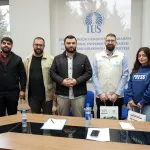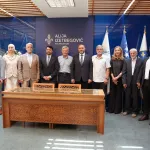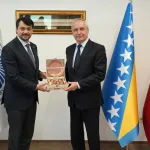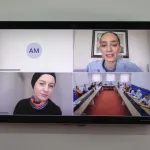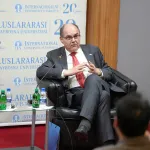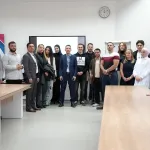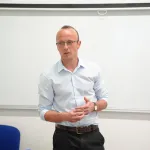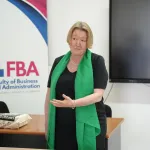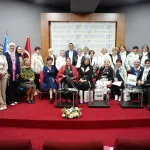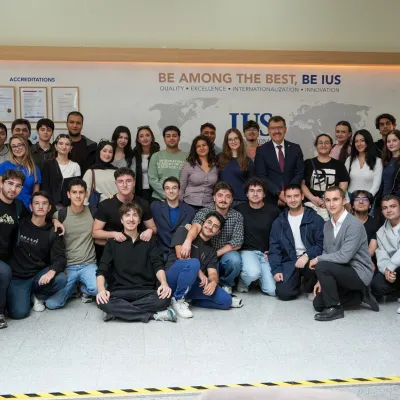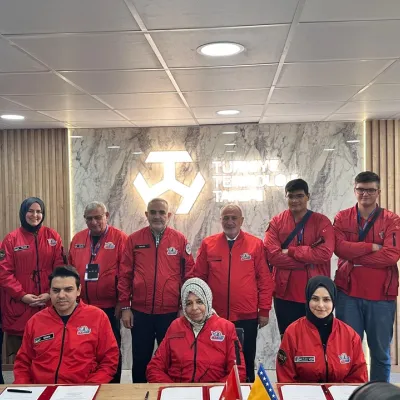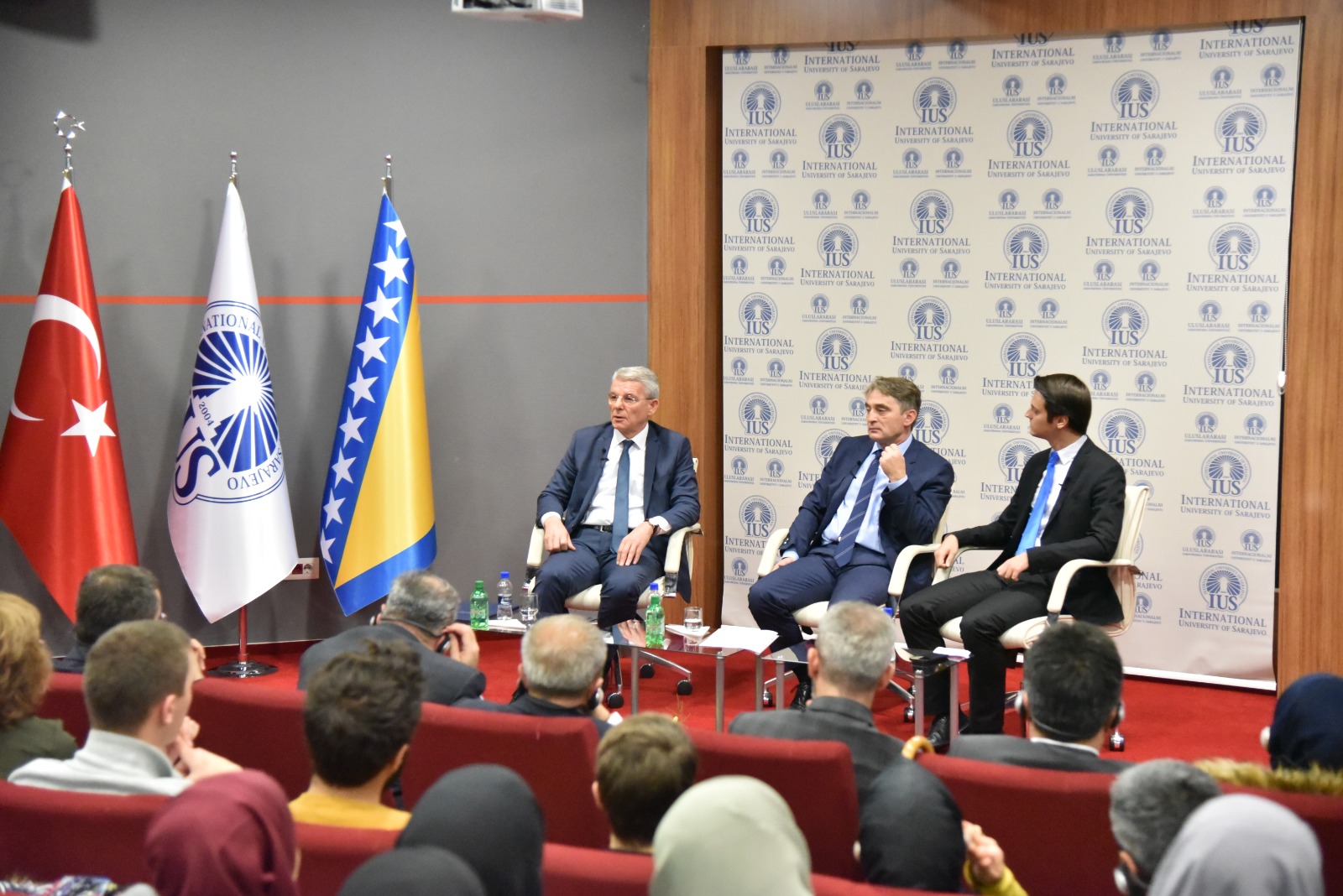
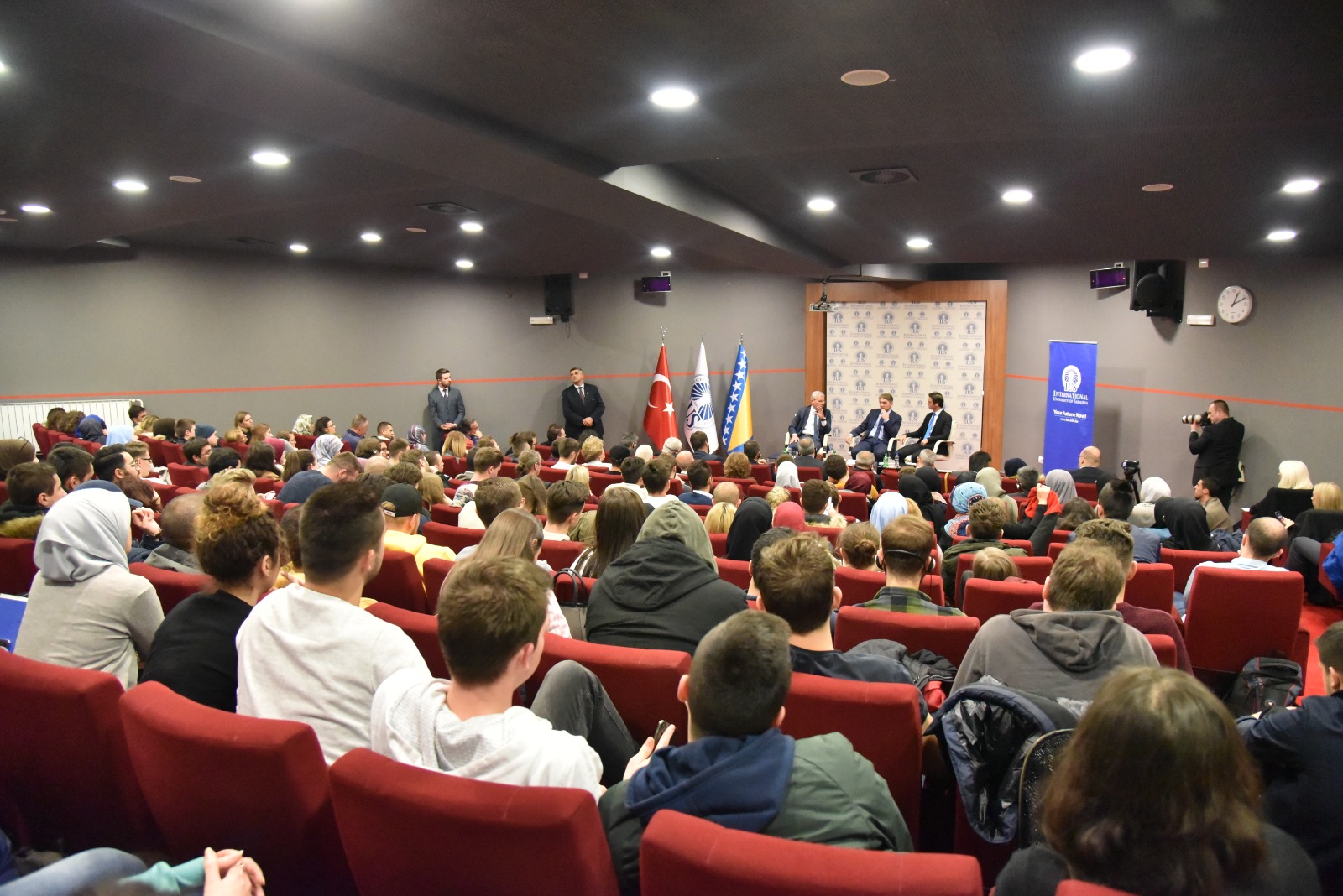
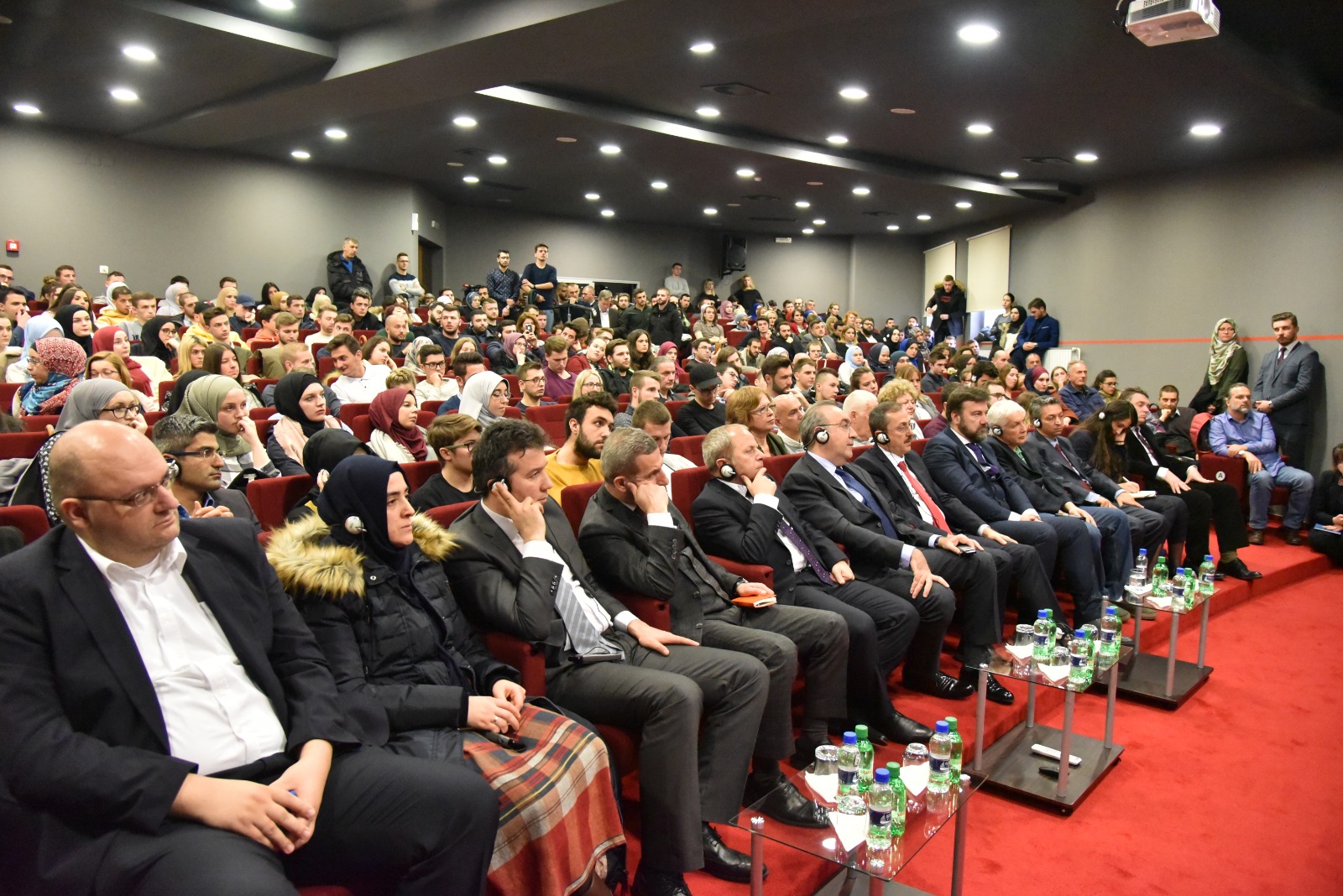
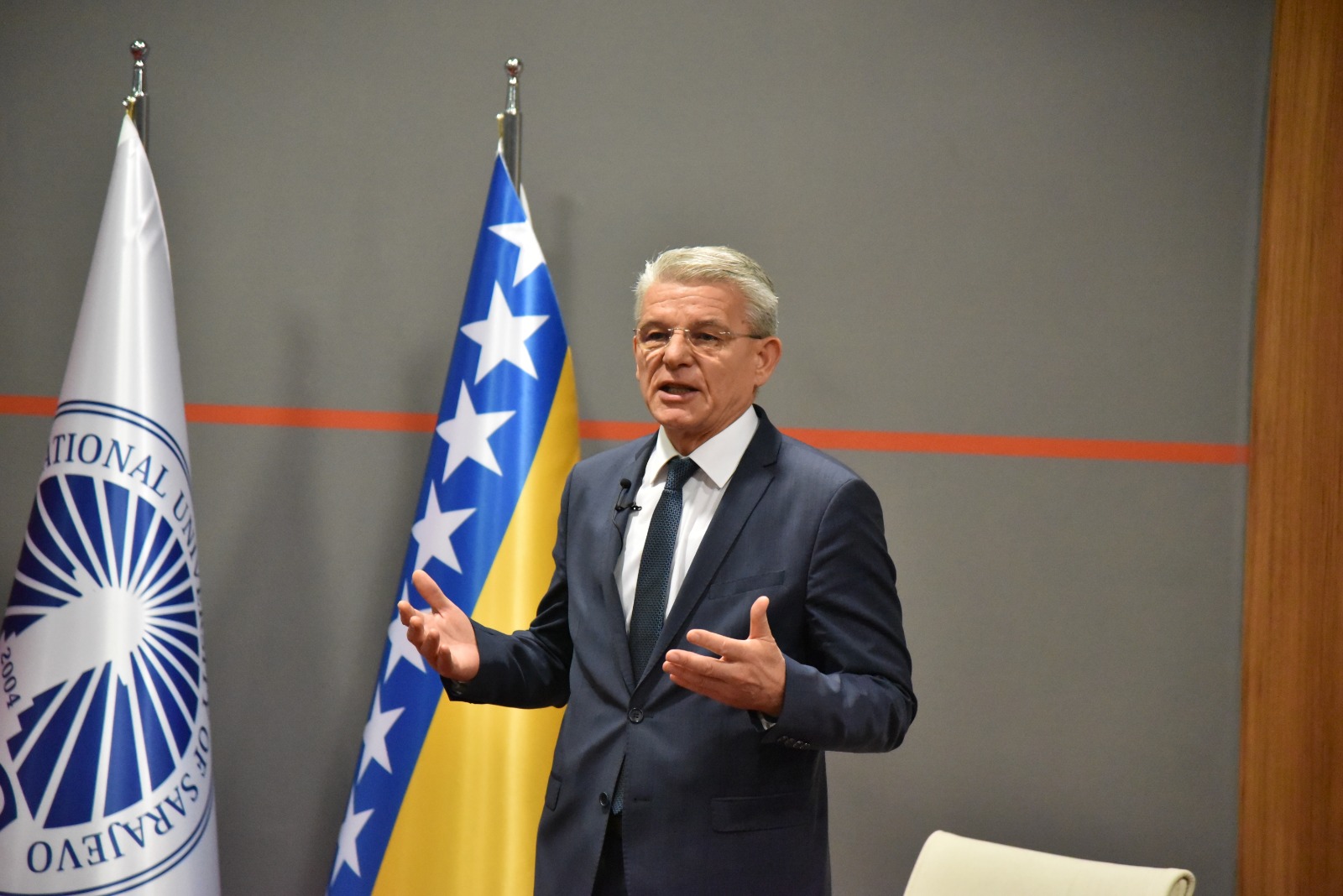
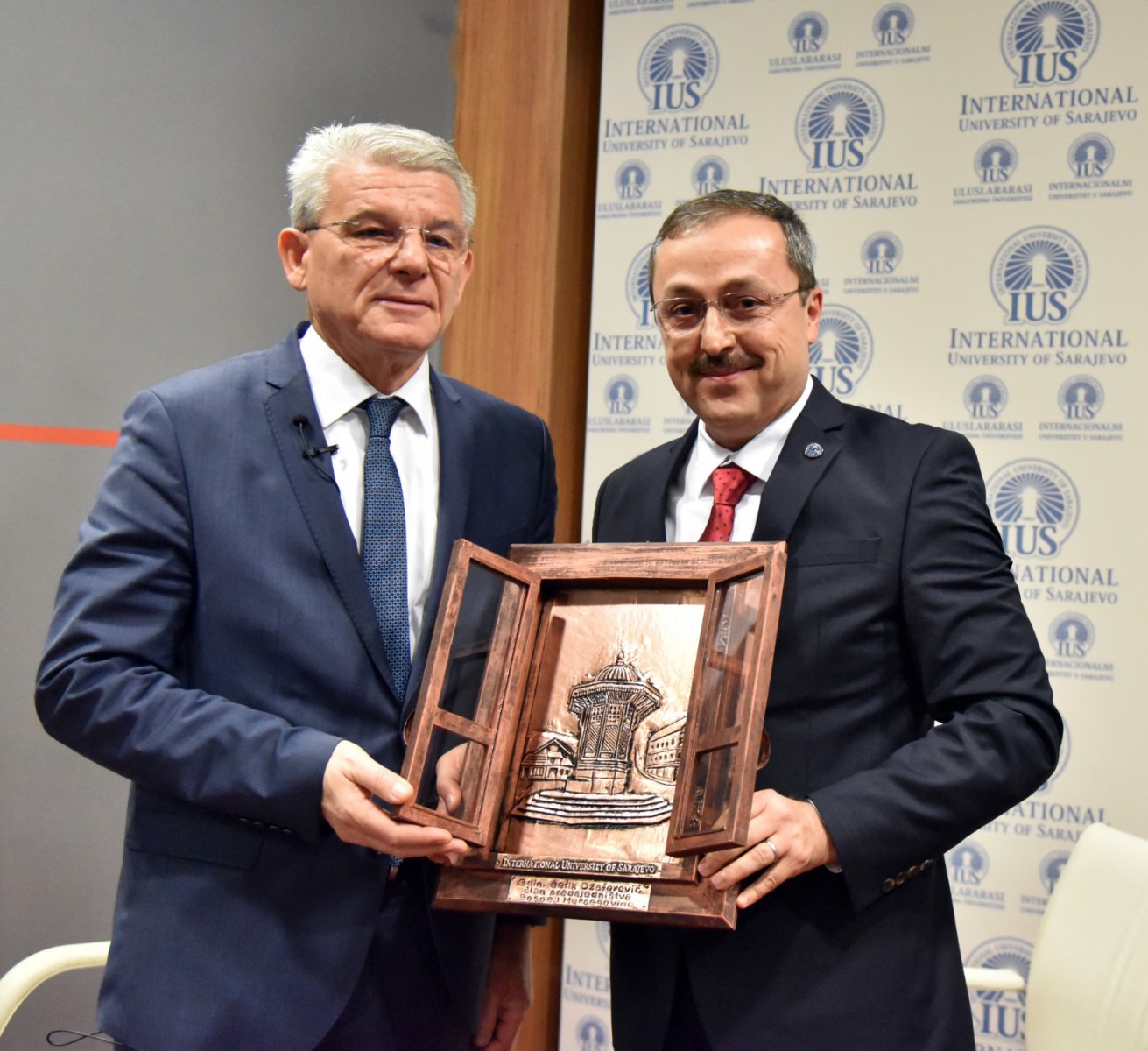
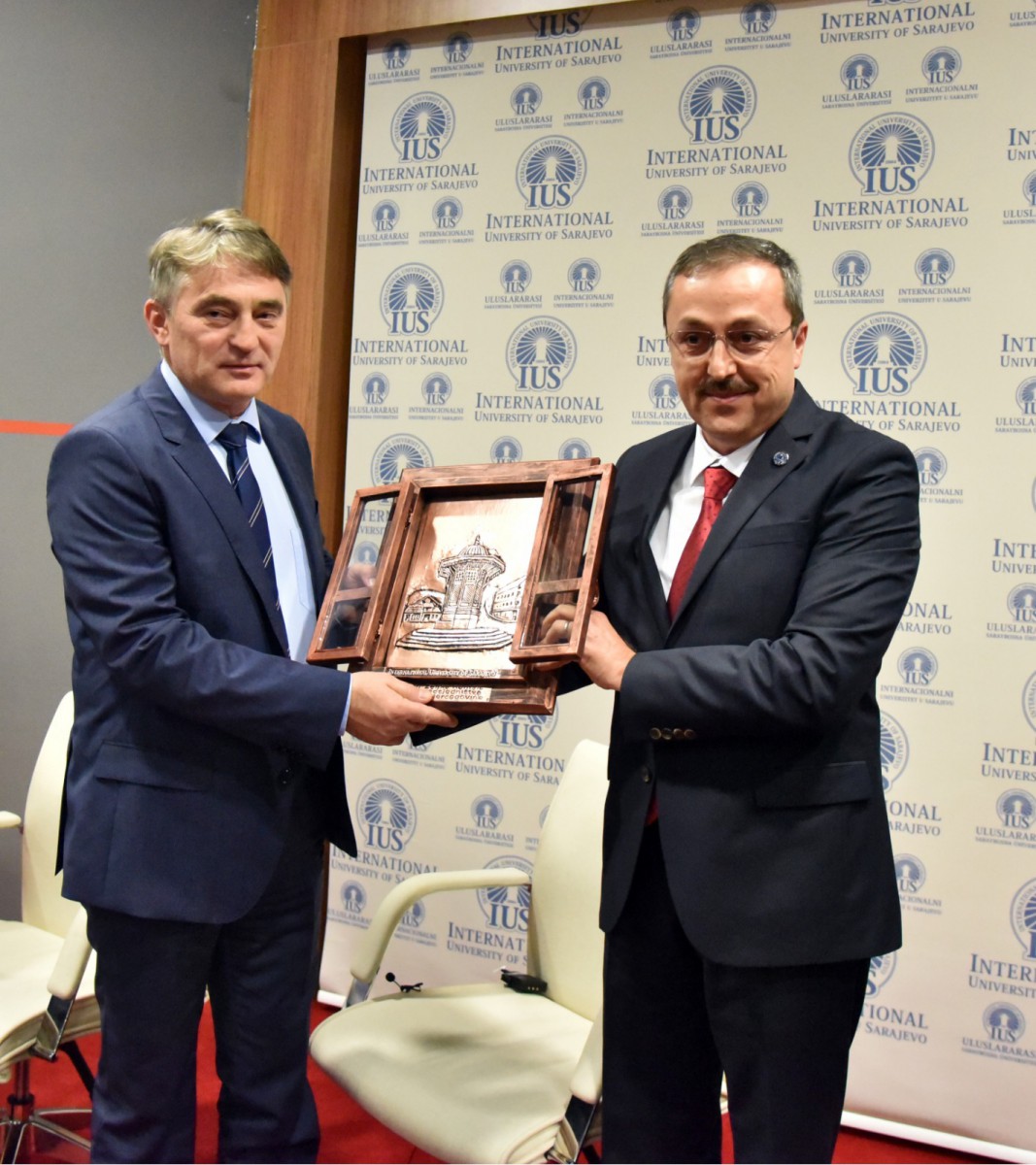
Members of the Presidency of Bosnia and Herzegovina, Željko Komšić and Šefik Džaferović, were guests at the International University of Sarajevo (IUS) on November 27, 2018, as part of the SPIUS Talks session dedicated to the Statehood Day of BiH
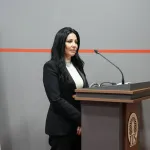
At the very beginning, Ismail Ćidić, president of the IUS Student Parliament and program moderator, thanked the distinguished Presidency members for visiting the International University in Sarajevo in the first seven days of their mandate. He also thanked them for deciding to send messages on the continuity of statehood and sovereignty of BiH from this institution on the occasion of the Statehood Day.
They talked about the historical significance of this Day, and the main challenges that BiH faces today and potentials of BiH.
Referring to November 25, 1943, and the ZAVNOBIH session, Željko Komšić repeated that it was one of the most important moments in the history of Bosnia and Herzegovina.
"On 25 November 1943, in Bosnia and Herzegovina, which was suppressed by German and Italian forces and their associates, an organized group of people who were part of anti-fascist movement, decided to organize an assembly in Mrkonjić Grad. From today's point of view that was the making of the state apparatus."
BiH Presidency Member Šefik Džaferović said that November 25th is one of the most important dates in the modern history of BiH.
"If we would like to summarize the importance of this day, we can safely say that the statehood of Bosnia and Herzegovina was renewed and confirmed. Having in mind all the meetings of ZAVNOBIH, the principle of equality of all peoples and citizens all over the territory of Bosnia and Herzegovina was promoted. BiH has a thousand-year statehood, which is mentioned in the documents since the 9th century. The Charter of the Kulin Ban is a type of document confirming the sovereignty and territorial integrity of medieval Bosnia."
The Presidency members also emphasized that there is currently noticeable discrimination especially in some parts of Bosnia and Herzegovina, and that one should not give up Bosnia and Herzegovina in which everybody is equal.
Since one of the main challenges for BiH today is youth emigration, professors and students asked the Presidency Members how this problem can be solved and what their message to the IUS students is.
Mr. Komšić responded that this is a problem for which there is no simple solution: "No country is perfect, but there are certain standards that must be maintained, and that's a long process."
Mr. Džaferović replied to this question by saying that there is also a somewhat politicized image of hopelessness that is being created in BiH media:
"All the actors of the Bosnian-Herzegovinian social scene should speak about things the way they really are is, to speak about the facts, and to produce in public a realistic image of our state of affairs."
The session was also attended by a delegation of the Turkish Embassy in Sarajevo led by the ambassador, H. E. Harun Koç, representatives of cultural institutions, numerous media representatives, staff, professors and IUS students, and other guests. The organizers of the session were the Student Parliament of IUS (SPIUS) and the Balkan Studies Center.