PSIR Alumni Talks: Ismail Ćidić Speaks at IUS on Bosnian Lobbying and Its Role in U.S. Foreign Policy
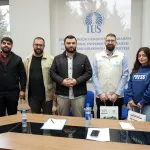
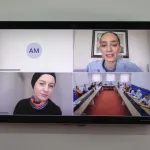
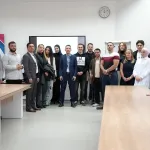
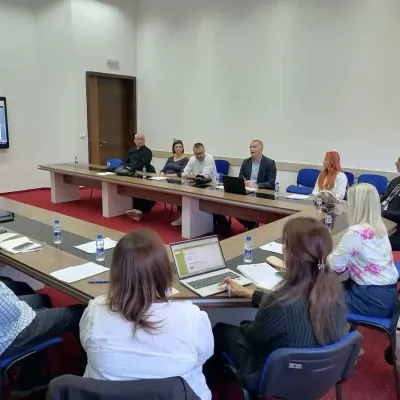
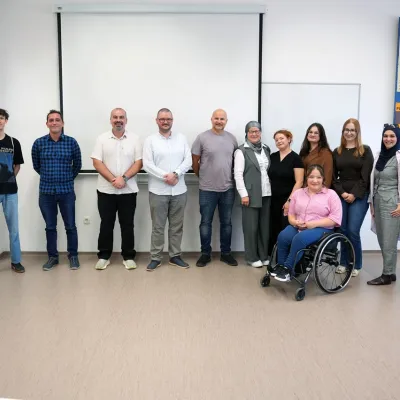
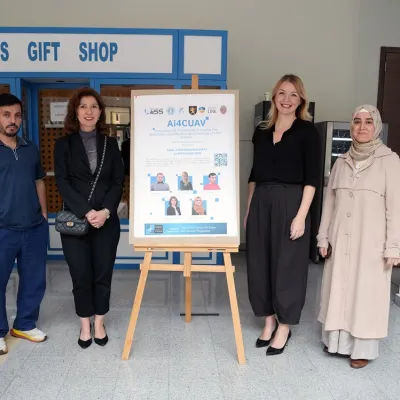
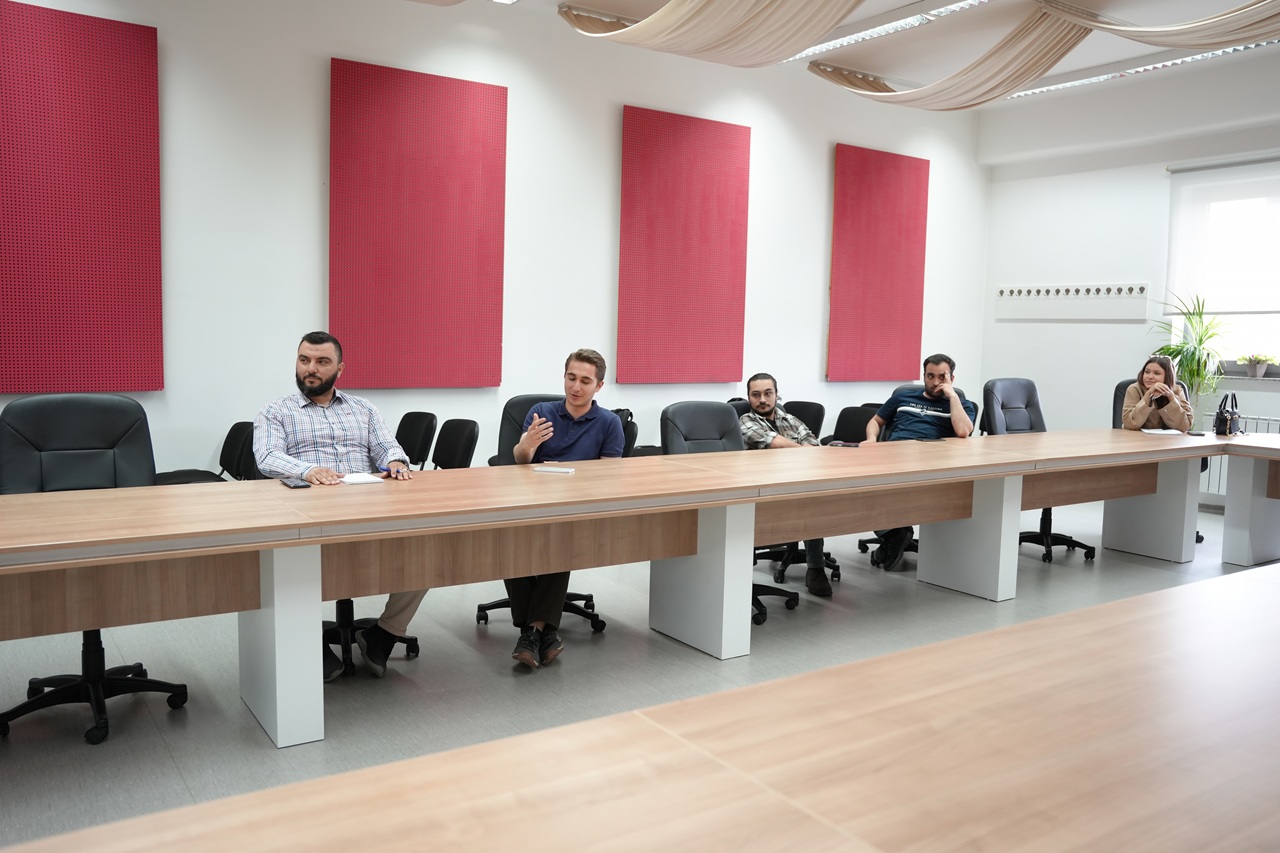
On Thursday, May 7, 2026, the Balkan Studies Center (BSC), in collaboration with the Political Science and International Relations (PSIR) study program, successfully organized a new edition of PSIR Alumni Talks under the title “The Influence of ‘Bosnian’ Lobbying on U.S. Foreign Policy: Real Impact or Symbolic Engagement?”
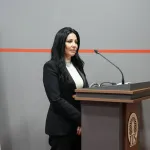
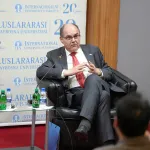
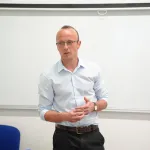
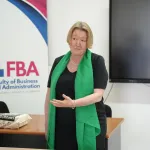
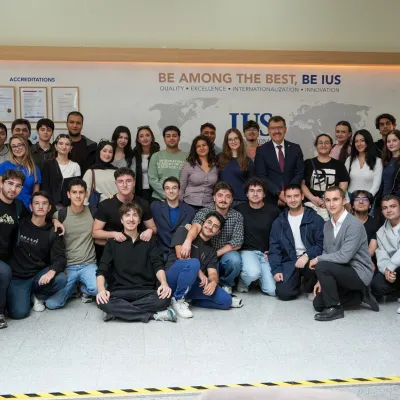
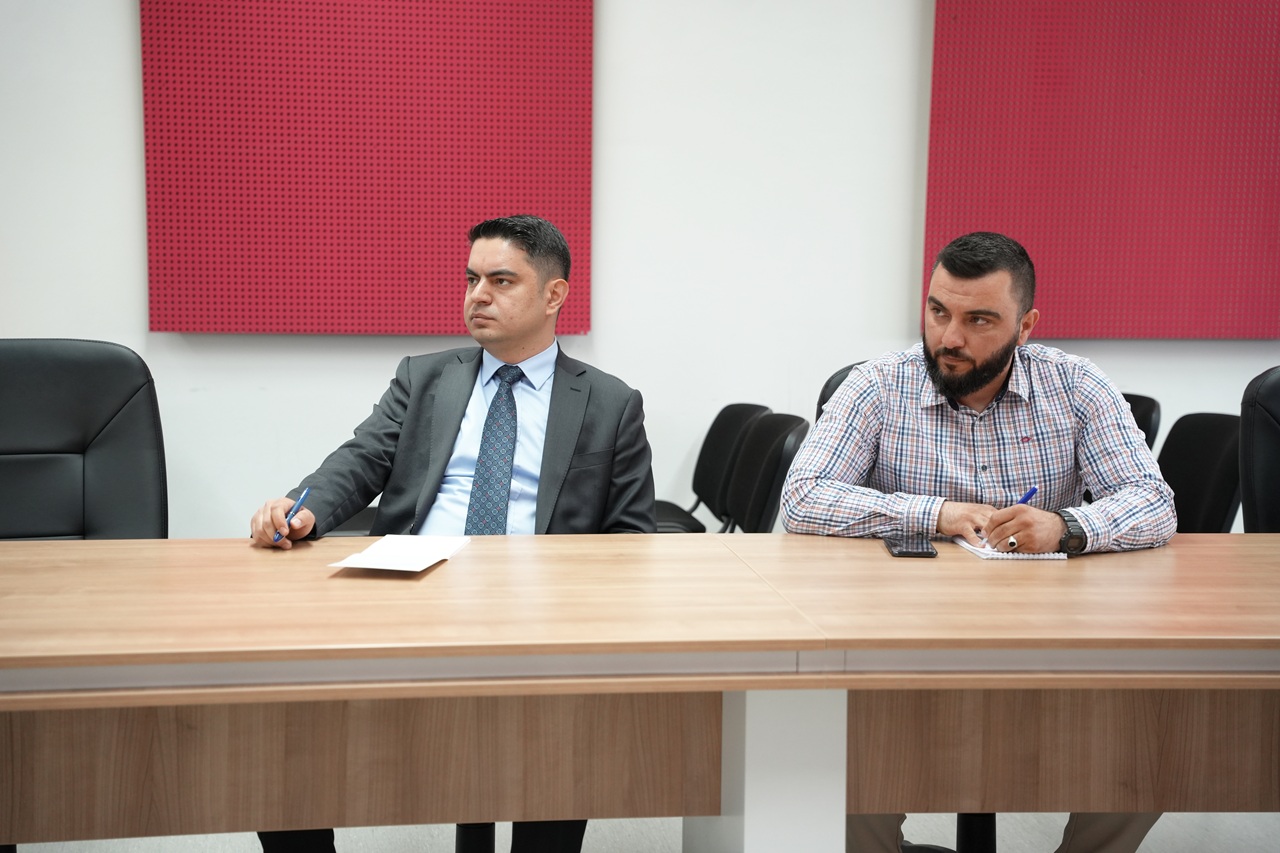
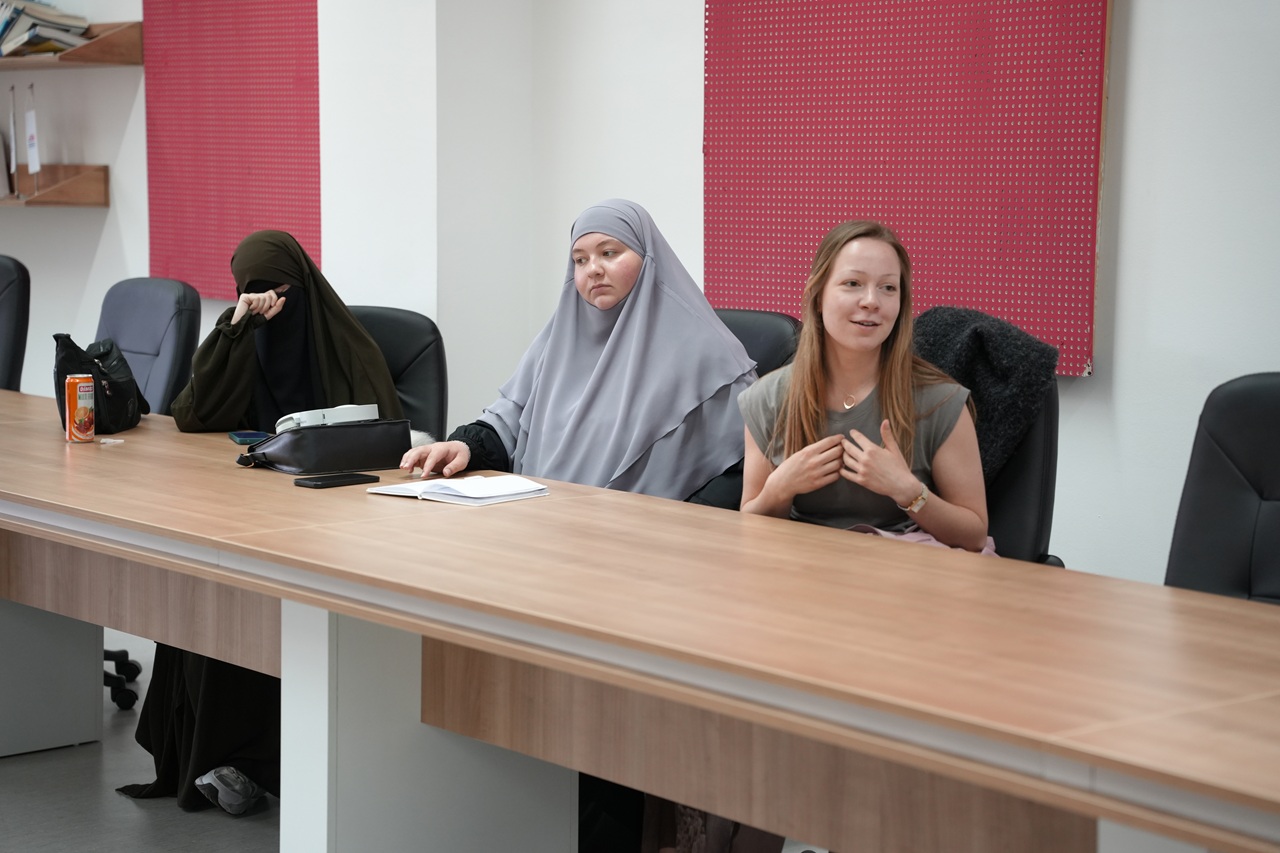
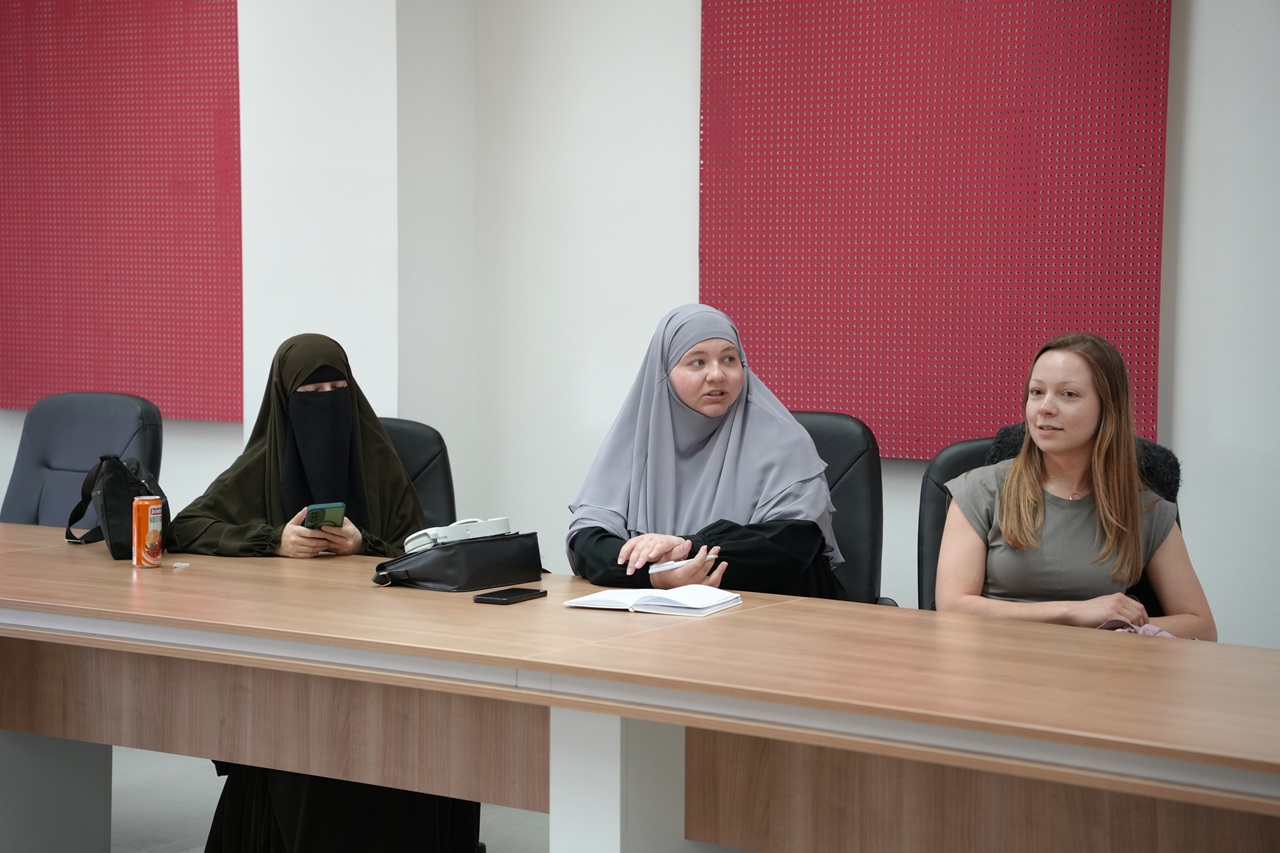
The event featured Mr. Ismail Ćidić, an IUS alumnus, as the guest speaker and brought together students and participants for an engaging discussion on lobbying, diaspora influence, and U.S. foreign policy. The session opened with a thought-provoking question posed by Mr. Ćidić, which immediately encouraged active participation and lively discussion among attendees.
During his presentation, Mr. Ćidić explained the concept of lobbying from a broader perspective, discussing what lobbying is, who engages in it, and how lobbying mechanisms operate in practice. He placed particular emphasis on the relatively well-organized structure of the Bosniak diaspora in the United States and its potential role in influencing political discussions and policymaking processes.
He also introduced the idea of different streams of lobbying, explaining how multiple channels of influence can operate simultaneously. In this context, he highlighted the importance of financial resources in lobbying efforts and their role in sustaining political influence and organizational capacity.
Another important point raised during the talk was that lobbying is not limited only to achieving visible political gains, but can also involve preventing certain initiatives or shaping political outcomes in less visible ways. Mr. Ćidić emphasized that many dimensions of lobbying remain largely unseen by the public, despite their significant impact on political decision-making.
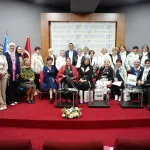
The event concluded with an interactive Q&A session, during which participants raised questions from a variety of perspectives and received detailed and insightful responses. Overall, the program provided a dynamic academic environment and encouraged critical discussion on lobbying, diaspora politics, and international relations.