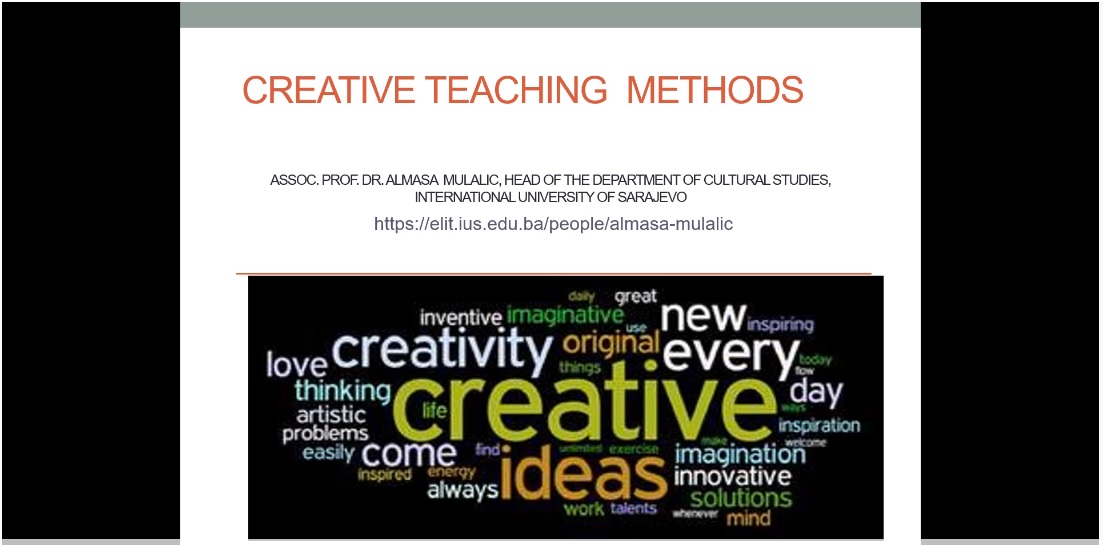
Seminar held - Exploring Creative Learning Methods
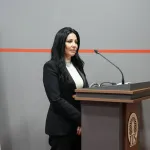
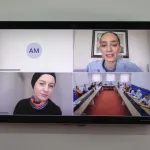
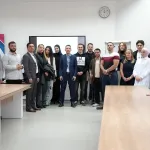
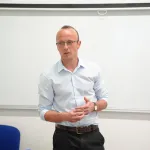
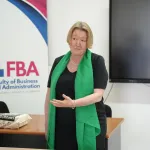
On February, 28, 2021 the Balkan Youth School has continued its program with three-hour lecture entitled Exploring Creative Learning Methods, which was delivered by Dr. Almasa Mulalić who is a Head of the Department of English Language and Literature at the International University of Sarajevo. Dr. Mulalić pursued her academic and research interests in the field of applied linguistic and teaching methods, whereby she explored the relationship between teaching, learning, and academic success in here published works. Considering her academic background and teaching experience she is the best suited teacher who can introduce student to the methods, approaches and strategies of how to become more effective learner. Since learning is a process we are all engaged throughout our lives, it is worth to (re)assess the effectiveness of our learning.
The seminar was opened with open-ended discussion on the current issues related to creativity in learning and teaching, especially considering scientific and technological changes, developments and transformations, which significantly affected the way of how we teach and learn. Students were exposed to both creative learning styles and creative thinking and speaking through discursive engagement in discussion, whereby they were given an opportunity to share their own experiences on different factors such as knowledge, intellectual abilities, thinking styles, motivation, personality, and learning environment. They were also exposed to an introspective understanding of some of the most important characteristics of creative people such as intellectual capacities, mental health and cognition, perceived flexibility, innovation, and independence.
_____________________________________________
The Balkan Youth School is an educational platform in the humanities, social and religious sciences. The study program is organized through modules, providing basic knowledge of history, human rights, international relations, political theories and issues, socio-political and religious issues, Ottoman history, arts and architecture, genocide studies, leadership and political thought.
The project is being implemented by the Balkan Studies Center of the International University of Sarajevo (IUS) and supported by The Presidency for Turks Abroad and Related Communities (YTB).