Seminar held - Political Culture, Participation and Representation in Bosnia and Herzegovina
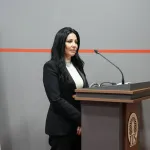
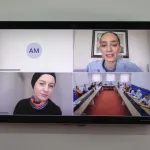
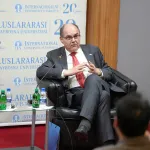
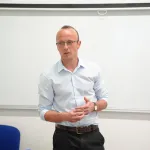
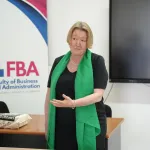
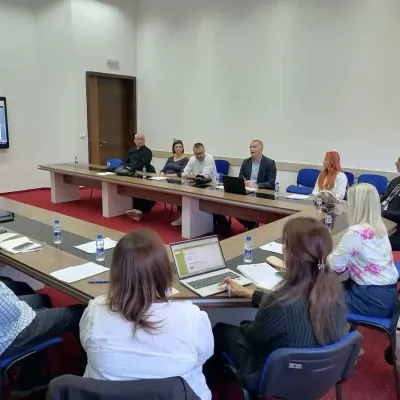
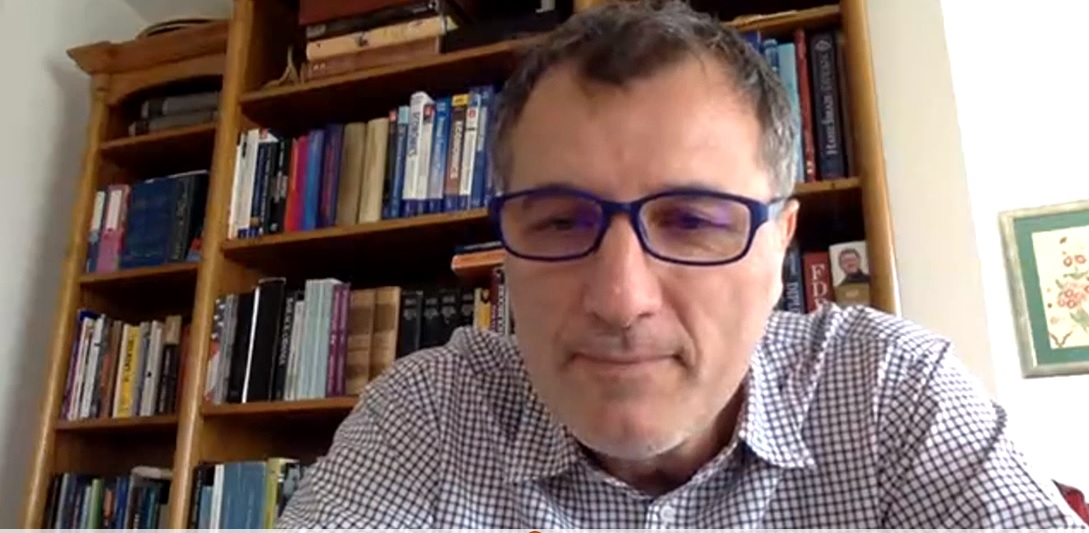
On May, 2, 2021 the Balkan Youth School has continued its program with three-hour lecture entitled: Political Culture, Participation and Representation in Bosnia and Herzegovina by Dr. Emir Hadzikadunic who served as Ambassador of Bosnia and Herzegovina to I.R. Iran (2010-2013) and Malaysia (2016-2020). In his professional career, Dr. Hadzikadunic also conducted consultancy work for the EU, UNDP, OSCE and USAID during their peace building missions in B&H. Dr. Hadzikadunic pursued his academic and research interests in the field of foreign policy and foreign policy analysis. His academic experience includes lecturing and guest lecturing at the International University of Sarajevo and other universities in South East Europe, Malaysia and Singapore. He has also written for academic journals and media outlets, authored two books, and co-authored other publications, many of whom treated the question of political culture in post-Dayton Bosnia and Herzegovina.
This seminar explored political participation and, more broadly, the political culture in Bosnia and Herzegovina. In trying to better understand the factors at play here and explain their outcomes, we discussed two interrelated concepts from the field of political science. First, we explored a fluid, invisible and often neglected notion of political culture, its different dimensions and types as defined by founding fathers. As we discussed them, we also explored how political culture in B&H fit into these types. Second, we examined the concept of political participation and representation and their practical relevance in B&H. In particular, we examined elections in B&H as a central arena for political participation and a key function of any representative democracy. We also asked why people vote or do not vote in B&H and explored how political culture shapes either option. The seminar ends with some legal issues of political representation and participation in B&H.
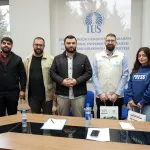
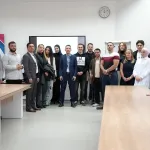
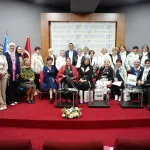
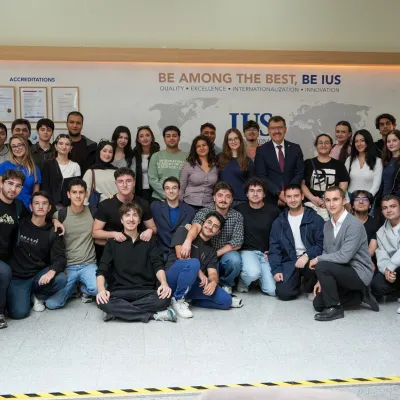
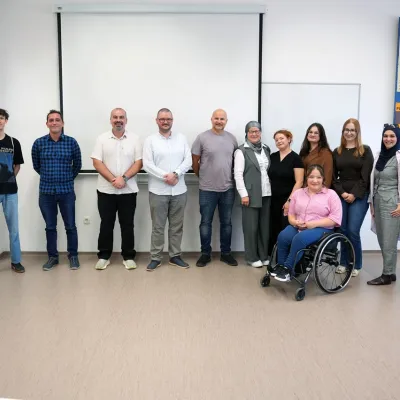
At the seminar, students were exposed to both theoretical knowledge and practical understanding. They also had a chance to actively participate in the discussions, sharing their opinions and asking questions about daily issues and current challenges in B&H. Students were especially interested about the prospects of internally driven political change in B&H through more active and participatory political culture by its citizens.
_____________________________________________
The Balkan Youth School is an educational platform in the humanities, social and religious sciences. The study program is organized through modules, providing basic knowledge of history, human rights, international relations, political theories and issues, socio-political and religious issues, Ottoman history, arts and architecture, genocide studies, leadership and political thought.
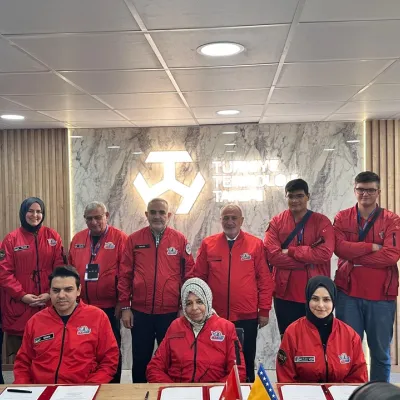
The project is being implemented by the Balkan Studies Center of the International University of Sarajevo (IUS) and supported by The Presidency for Turks Abroad and Related Communities (YTB).